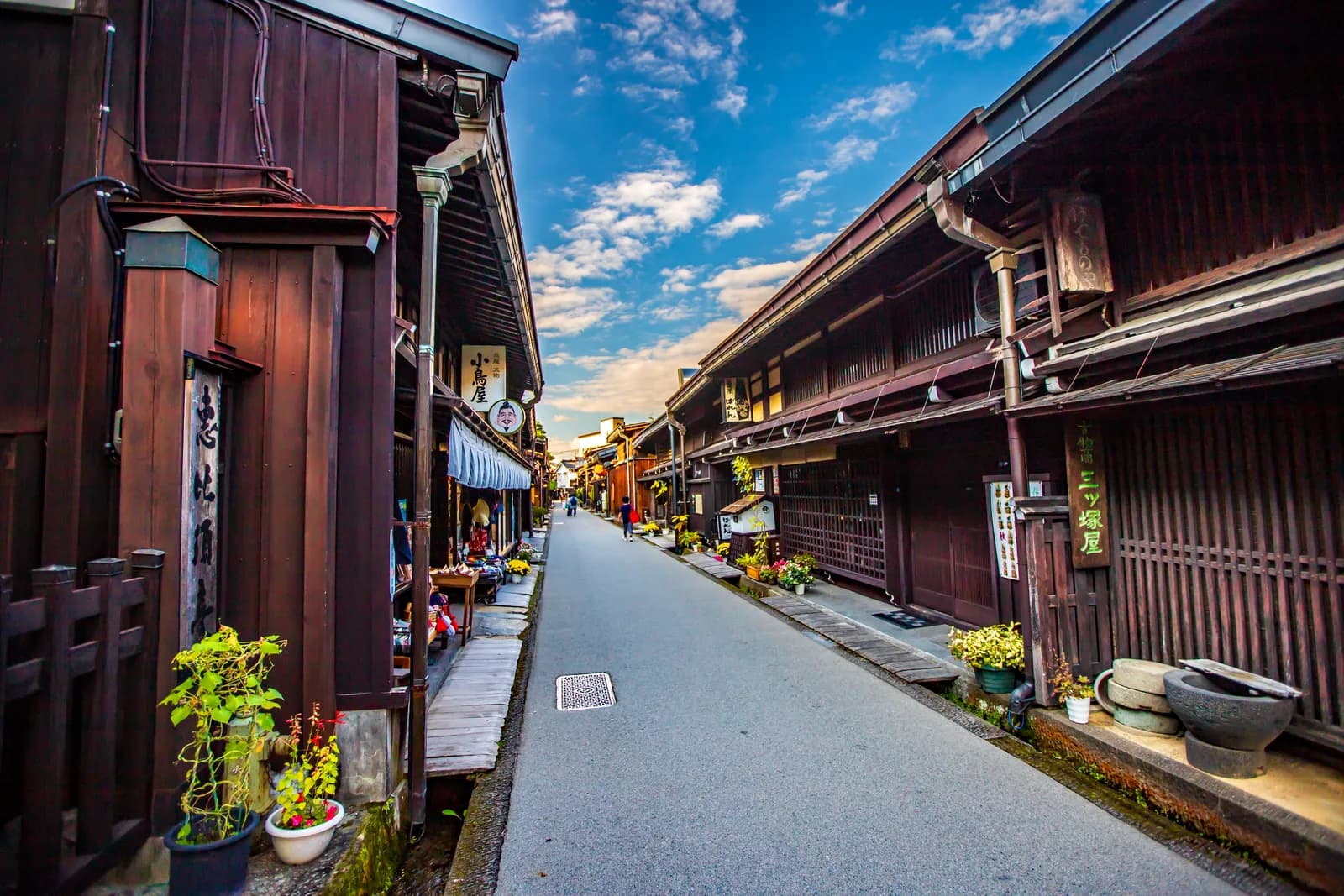
ikido — 粋道
Two old characters, joined into a new word: the Way of refined spirit.
ikido is our own word — two ancient characters pressed together like a seal. It is not in any dictionary. We made it the way a tea master carves a scoop and gives it a name.
iki — effortless elegance
A treasured ideal of Edo-period Japan: refinement that hides its own effort. Among the merchants and artists of the floating world, true style was never flaunted — it was a plain kimono lined with exquisite silk, the luxury you notice last and remember longest. Understated, alive, quietly sure of itself.
dō — the Way
The same “Way” found in chadō, the way of tea, and in every Japanese art of a lifetime — shodō, kyūdō, budō. It means the skill is never the goal. Through patient, repeated practice, it is the inner self that is slowly refined. A path, walked daily, with attention.
粋 + 道 = the Way of refined spirit
And there is a second gift hidden in the sound. Said aloud, iki also rings against 生き — “to live,” “alive,” “fresh.” So ikido holds three things at once: refined elegance, the lifelong Way, and the bright aliveness of fresh-whisked tea. The art of living well, in a single cup.
The room we are keeping
The tea house ikido imagines is not invented. It is the same room the monks, growers and masters built over eight hundred years.
A monk returns from China
The Zen master Eisai sails home from Song-dynasty China carrying tea seeds and the secret of whisked powdered tea. In his Kissa Yōjōki he calls tea the ultimate medicine for nourishing life.
Uji learns to shade
In the misted river-valley of Uji, growers drape their rows in shadow before harvest. The leaf turns deep jade and sweet — the birth of tencha, the leaf behind matcha.
Rikyū finds beauty in less
Sen no Rikyū strips the ceremony to its soul: a humble hut, a hand-made bowl, a single flower. From his quiet rebellion comes wabi-cha — and the spirit we still keep.
ikido keeps the room
We gather single-estate leaf and hand-made tools, and send a little of that 800-year-old stillness to your table — each tea with its own ancient legend.
One valley, four generations
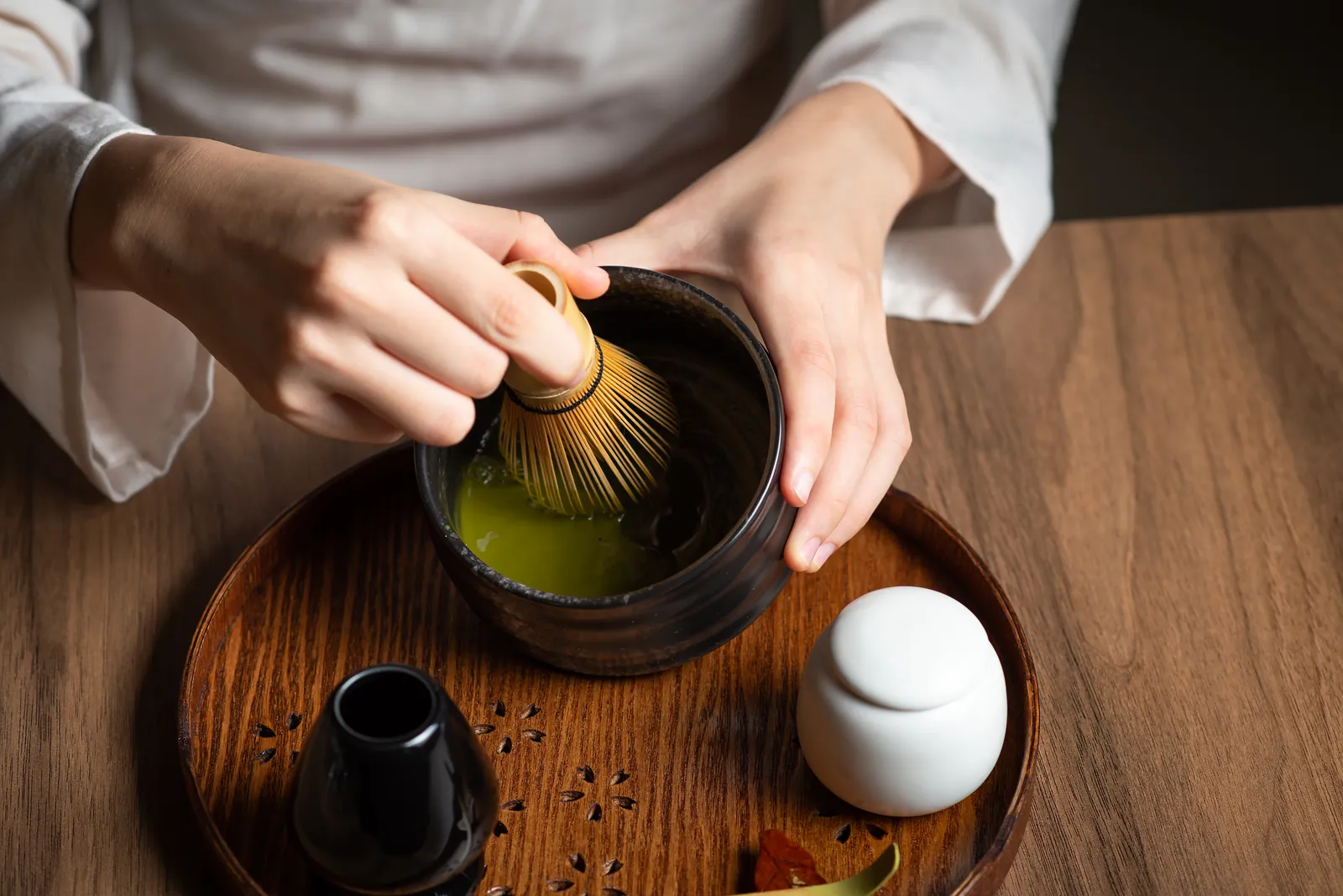
Our leaf comes from a single family in the hills above Uji, where the same gardens have been tended since 1912. They shade their tencha by hand each spring, draping the rows for three weeks so the leaves grow sweet and deep-green in the dimmed light.
We buy the whole harvest, mill it as we need it, and ship it within days — because matcha is most alive in the weeks after it is ground.
Four words have kept this house
Harmony
Between host and guest, leaf and water, season and bowl.
Respect
For the grower's hands, the maker's craft, and the moment shared.
Purity
Of the leaf, the water, and the quiet you bring to the cup.
Stillness
The calm that settles once everything unnecessary is set down.
Every day, a good day
Nichinichi kore kōjitsu — not because every day is easy, but because every day met with full attention is whole. Begin with the tin we drink each morning, or the kit that holds everything you need.